In a historic moment that reshapes the British monarchy, King Charles III signed a groundbreaking document at 11:23 p.m. on December 15, 2025, fundamentally altering royal succession. This unprecedented move allows Prince William to gradually assume royal duties, reflecting a profound acknowledgment of mortality and the need for a modernized monarchy.
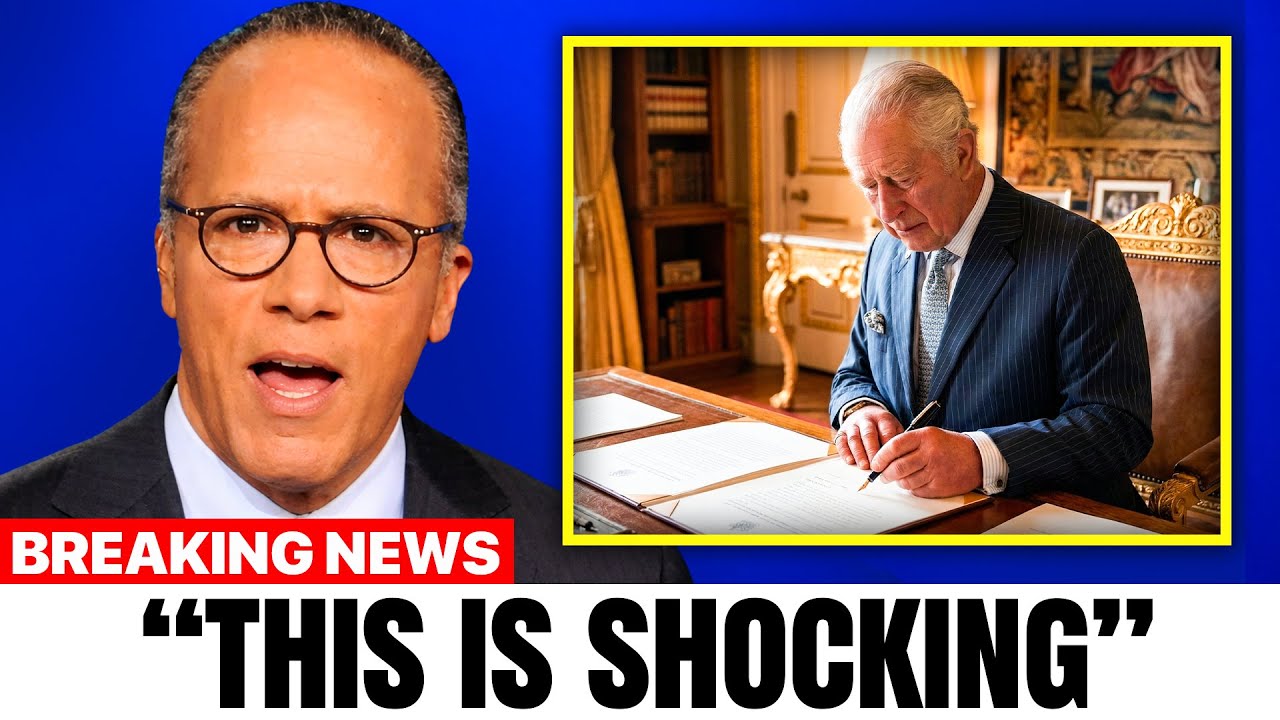 As the clock ticked toward midnight, a small group gathered in the intimate blue drawing room at Clarence House, where tension hung thick in the air. Witnessed by only five, including Princess Anne and the Archbishop of Canterbury, the signing ceremony marked a pivotal shift in how the royal family will navigate the future.
For Charles, who has dedicated 70 years to the crown, this moment was not merely administrative; it was deeply personal. Faced with health concerns, the king sought to spare his son from the chaos he endured during Queen Elizabeth II’s final years. The decision reflects a father’s love, prioritizing William’s well-being over pride.
The document, titled the transitional regency protocol, establishes a framework for a gradual transfer of royal powers based on medical advice. This innovative approach acknowledges the complexities of modern leadership, where monarchs can experience partial incapacity rather than a binary state of health.

In a world where aging leaders often face scrutiny, Charles’s decision to plan proactively is a radical departure from tradition. It allows for a dignified transition, ensuring the monarchy’s stability while recognizing the realities of human frailty. The public’s response has been overwhelmingly positive, with many applauding the king’s foresight.
William, initially hesitant, recognized the weight of his father’s request. This was not about seizing power but about preparing for a future that could arrive sooner than expected. The emotional exchange between father and son during the signing was laden with history, love, and a shared commitment to the monarchy.

As dawn broke on December 16, the Buckingham Palace Press Office released a carefully worded statement that reassured the public of Charles’s health while outlining the new succession protocol. The shift has sparked discussions among constitutional experts and the public alike, highlighting the need for modern monarchies to adapt to contemporary realities.
This midnight signing could redefine the relationship between monarchs and their heirs, setting a precedent for how royal families manage transitions of power in the 21st century. By embracing change, Charles has not weakened the crown; he has fortified it, ensuring its relevance in a rapidly evolving world.

As the monarchy moves forward, the implications of this historic decision will resonate far beyond the British Isles. Other nations, both monarchies and democracies, may look to this framework as a model for addressing the challenges of aging leadership, balancing experience with the necessity of change.
In a time when public trust in institutions is crucial, Charles’s actions may serve as a blueprint for other leaders grappling with similar issues. The midnight signature was not just a legal formality; it was a powerful statement about the future of monarchy and the dignity of those who serve in its highest offices.
With this transformative step, the British royal family has set the stage for a new era—one that prioritizes thoughtful planning and compassionate leadership. As the world watches, the legacy of this night will shape the monarchy for generations to come.