In a fiery episode of the Joe Budden Podcast, Joe Budden weighed in on the ongoing feud between Noreaga and Peter Rosenberg, igniting debates about authenticity and representation in hip-hop. As tensions rise over claims of “gatekeeping” in New York radio, Budden’s insights reveal a complex web of loyalty, identity, and pride.
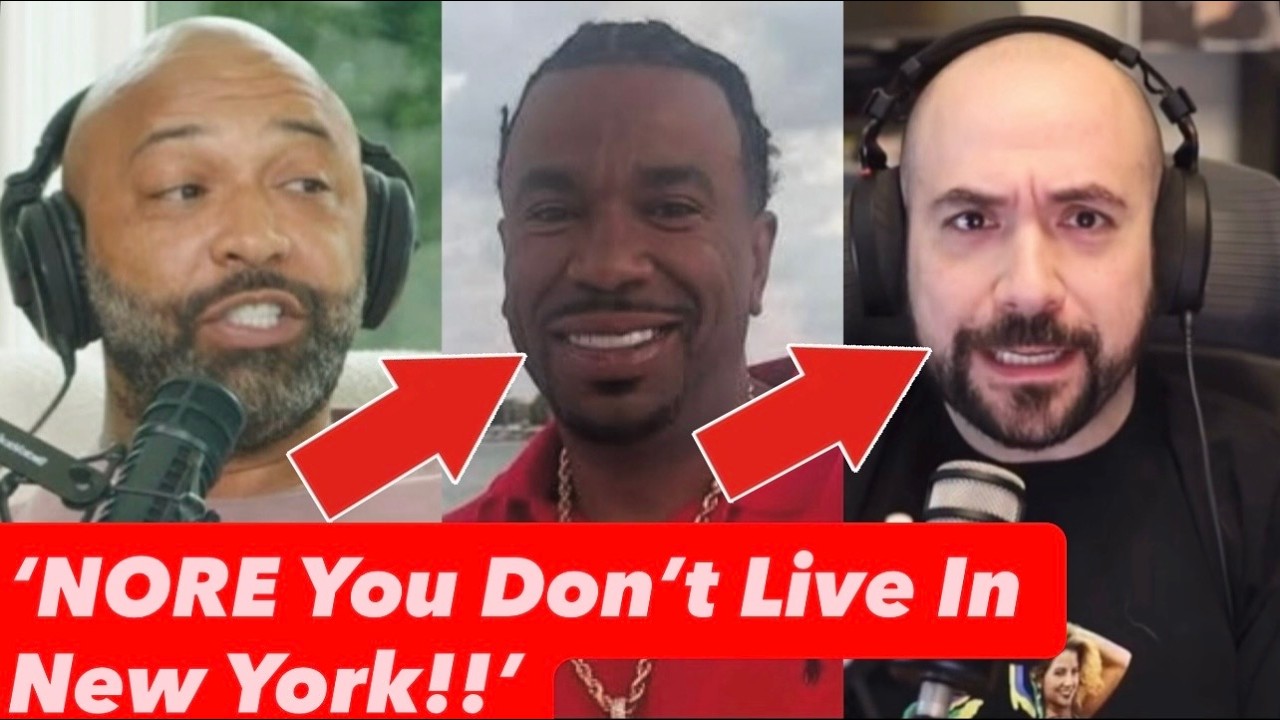 The 𝒹𝓇𝒶𝓂𝒶 unfolded when Noreaga, during an appearance on Hot 97, suggested that the station finally sounded like “New York” again. This comment sparked outrage from Rosenberg, who felt Nore was subtly dissing him and Ebro, both of whom have been criticized for their lack of representation of New York artists.
Rosenberg took to social media to defend himself, asserting that he has done more for underground New York rap than many natives, citing his long history in the city and his personal ties to its culture. His passionate response highlighted the tensions surrounding identity and belonging in a city known for its diverse voices.
On his podcast, Joe Budden echoed Rosenberg’s sentiments, questioning how long someone can claim a city after moving away. He acknowledged Noreaga’s valid points but also recognized the hurt behind Rosenberg’s reaction. Budden’s perspective added depth to the conversation, emphasizing the struggle for recognition in a constantly evolving cultural landscape.
The discourse took a turn when Noreaga met with Rosenberg to address the issue directly. Nore denied any malicious intent behind his comments, suggesting that the media’s framing of his words was misleading. This meeting showcased the complexities of their relationship, with both artists grappling with the implications of their words in a public forum.
As the debate raged on, fans and commentators weighed in, questioning whether Rosenberg’s reaction was justified or overly sensitive. Many felt that Nore’s remarks were more about celebrating New York’s essence than attacking those who have worked hard to represent it.
The situation reflects a broader conversation about cultural authenticity and the role of outsiders in shaping a city’s narrative. While both Noreaga and Rosenberg have made significant contributions to hip-hop, their differing perspectives underscore the challenges of navigating identity in an ever-changing landscape.
In the end, this clash serves as a reminder of the deep-rooted connections artists have with their cities and the pride they take in representing their hometowns. As the lines between local and global continue to blur, the debate over who gets to claim New York—and what that means—remains as relevant as ever.
As fans eagerly await the next chapter in this unfolding 𝒹𝓇𝒶𝓂𝒶, one thing is clear: the conversation about identity, representation, and pride in hip-hop is far from over.