Prince William has finally shattered the silence surrounding his commitment to the monarchy, delivering an emotional speech that seeks to clarify his role as Britain’s future king. In a moment deemed historic, he addressed growing public speculation about his dedication to the Church of England and the royal family amidst a turbulent backdrop of 𝒔𝒄𝒂𝓃𝒅𝒂𝓁 and declining support.
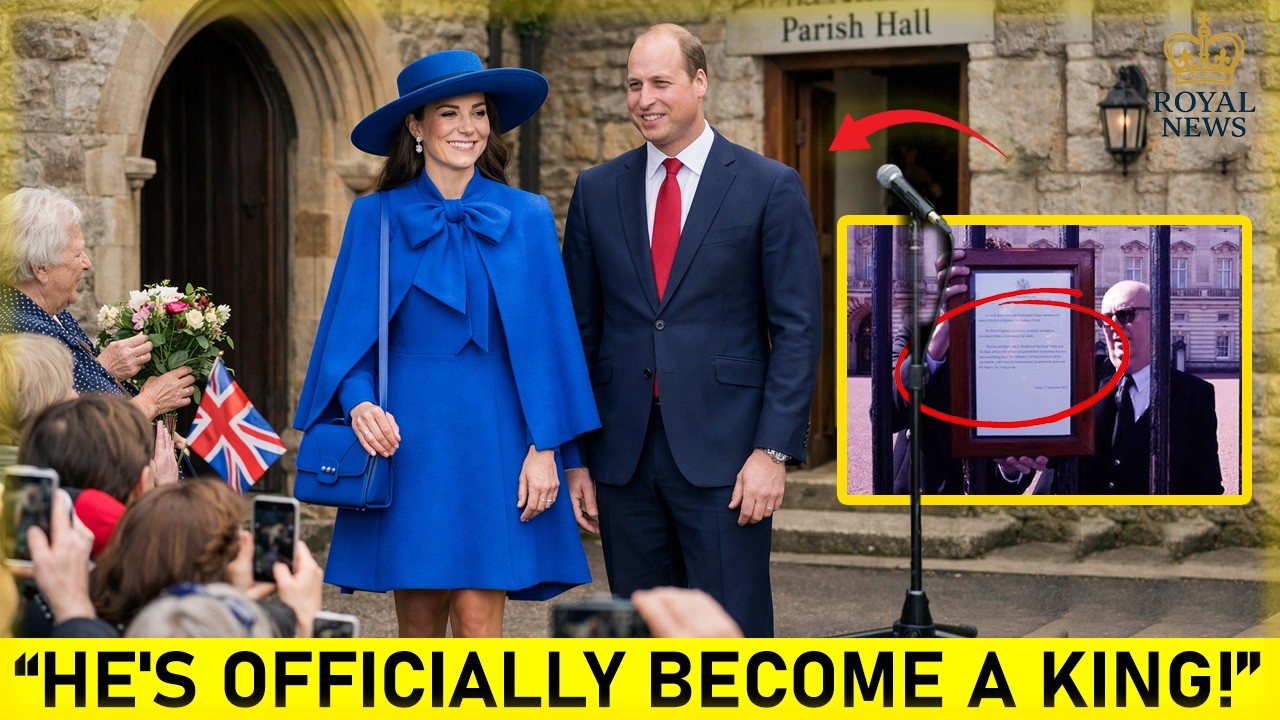 The Prince of Wales has long been scrutinized regarding his future responsibilities, especially as the monarchy faces one of its most challenging periods. Recent polling indicates a significant drop in public confidence, with only 35% of Britons believing the monarchy is good value for taxpayers, down from 48% just a year ago. This decline is particularly stark among younger generations, with fewer than one in four aged 18 to 34 expressing support for the royal institution.
Amidst this turmoil, William’s upcoming appearance at the enthronement of Sarah Malali as the first female Archbishop of Canterbury carries profound implications. Insiders suggest that this event is more than ceremonial; it symbolizes William’s understanding of the evolving relationship between the crown and the church, reflecting a commitment to maintaining relevance in modern society.
 Sources close to the prince have emphasized that his faith is deeply personal, contrasting with the public’s expectations of a more demonstrative approach to religious duties. This nuanced belief system shapes his understanding of service and responsibility, key tenets as he prepares for kingship. His discussions with Malali reportedly focused on the church’s role in contemporary British life, emphasizing a shared vision for the future.
William’s cautious approach extends beyond his religious responsibilities. He is reportedly aligning closely with King Charles III, adopting a more conservative stance on public representation of the royal family. This shift has led to a reevaluation of the roles of his cousins, Princess Beatrice and Princess Eugenie, who are now less likely to appear in prominent royal duties.

The ongoing fallout from Prince Andrew’s scandals continues to loom over the monarchy, complicating the public’s perception. Insiders reveal that Andrew has been pressuring King Charles for financial support amid his legal troubles, hinting at potential consequences if his demands are not met. This dynamic adds another layer of strain within the royal household, further challenging William’s vision for the future.
 As Prince Andrew reemerges into public life, the monarchy’s reputation remains at stake. Observers note that William’s careful navigation of this complex landscape is vital for the institution’s survival. His speech and upcoming engagements signal a commitment to the traditions of the crown, even as public confidence wavers.
In a time of uncertainty, William’s message is clear: the next generation of royal leadership intends to stand firm. His quiet reaffirmation of duty and faith could be the lifeline the monarchy needs, offering hope for a more stable future amidst the swirling controversies that threaten its legacy.